Published · Routledge · 2026 · First Edition

Public-Private Partnerships in China

Governance Logic and Policy Implications

Shikun Qin

Qin, Shikun. Public-Private Partnerships in China: Governance Logic and Policy Implications. Routledge, 2026.

Formats
Hardback, paperback, eBook
Length
190 pages
ISBN
978-1-041-32850-6 (hbk)
DOI
10.4324/9781003784869

The preview includes the front matter, preface, Chapter 1, and chapter reference lists.

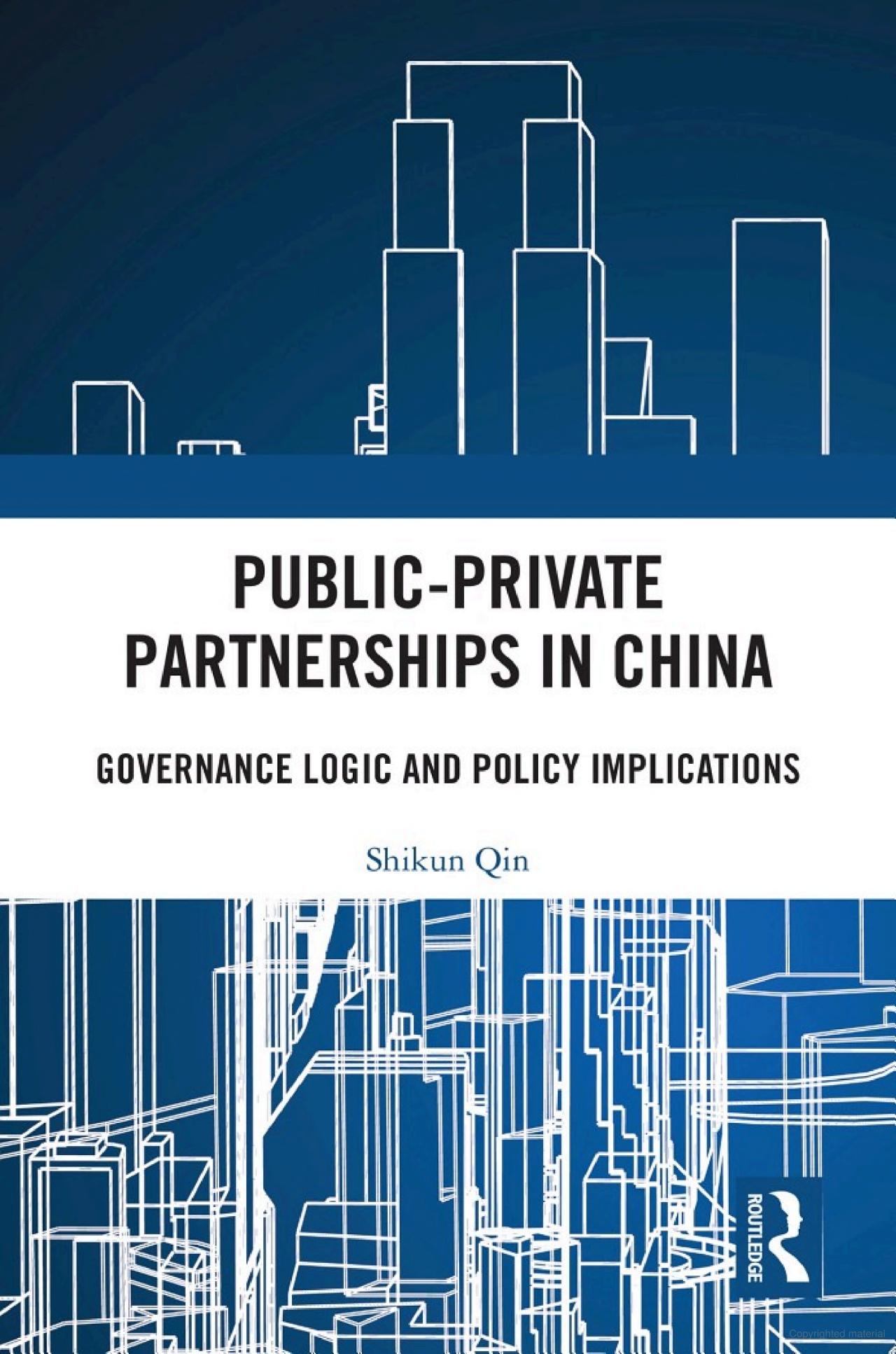
Cover of Public-Private Partnerships in China: Governance Logic and Policy Implications

Overview

Since 2014, China has developed what is now the world’s largest Public–Private Partnerships (PPPs) market. This book provides a comprehensive and empirically grounded exploration of China’s experience with PPPs.

Based on a detailed project-level dataset collected between 2014 and 2023, the author examines China’s PPP governance from multiple perspectives. The analysis covers policy evolution, institutional experimentation, and regional diffusion patterns. It also investigates the fiscal incentives shaping local government behavior and the institutional constraints embedded in existing regulatory arrangements. The empirical chapters assess the extent to which spatial diffusion theory, transaction cost theory, capital structure theory, and cutback management theory explain the dynamics observed in practice, while also offering a timely assessment of recent PPP reforms in China.

The book will be of interest to scholars seeking to understand the evolution of PPP governance, as well as policymakers and practitioners looking for evidence-based insights.

Publisher description: Taylor & Francis
Selected Figures

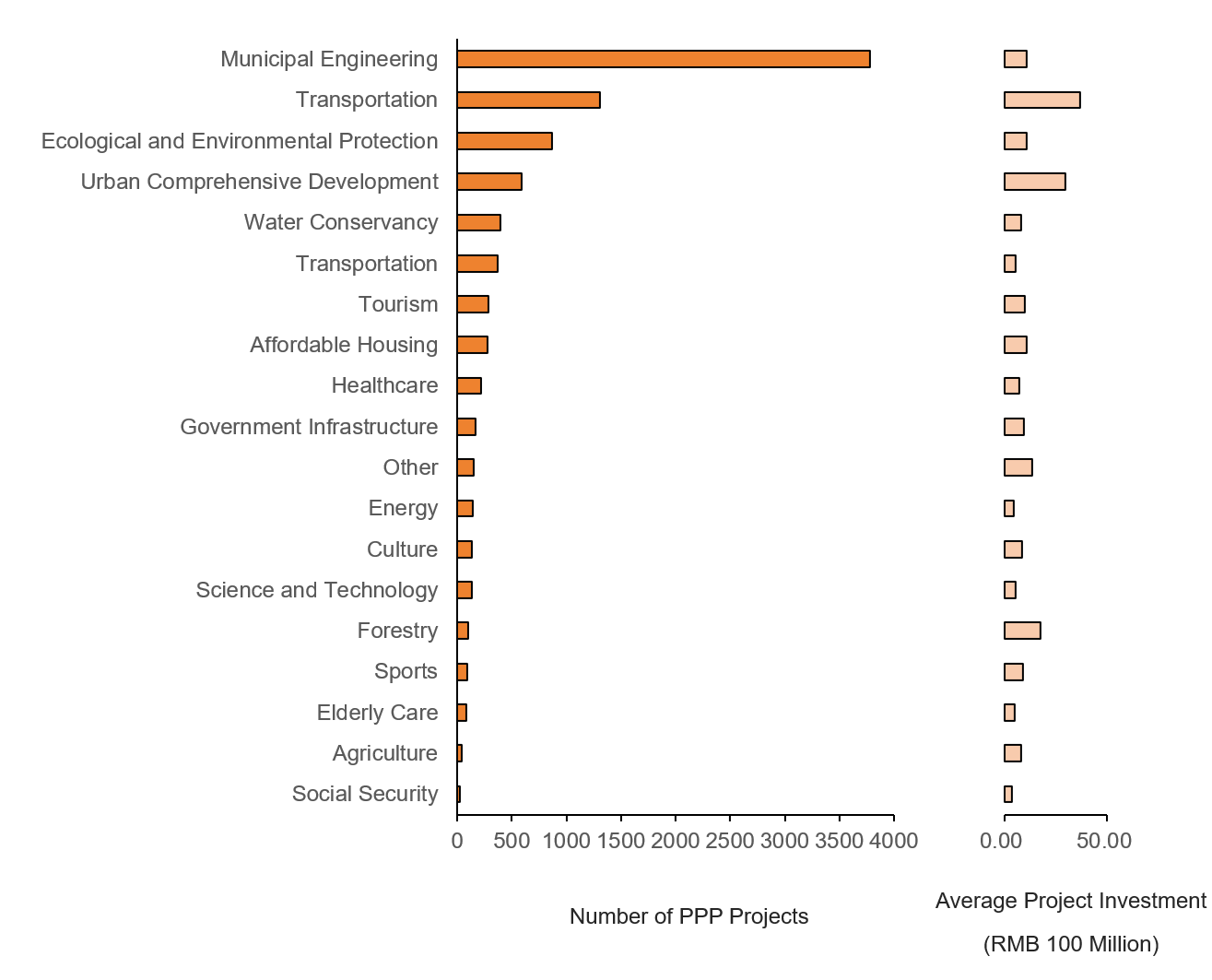
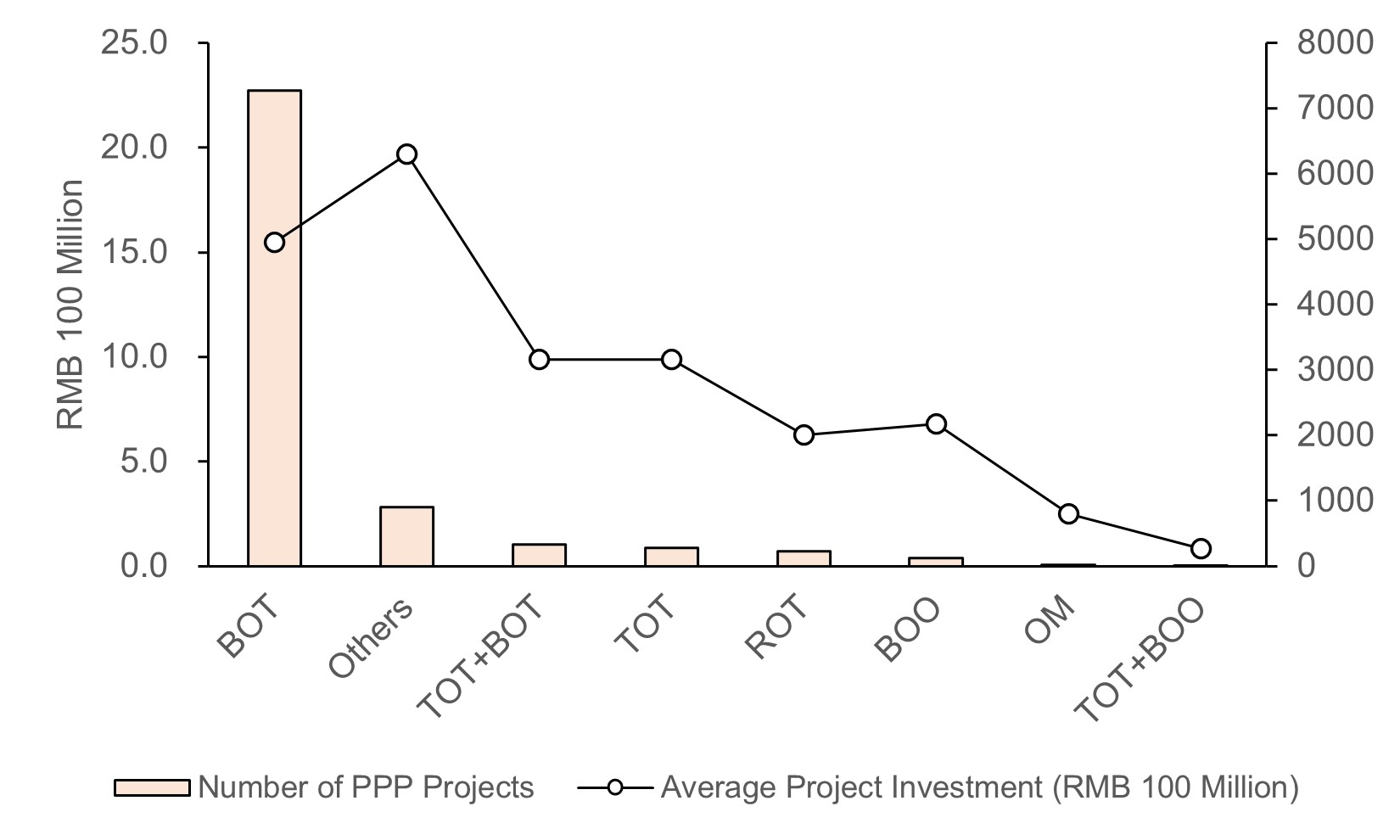
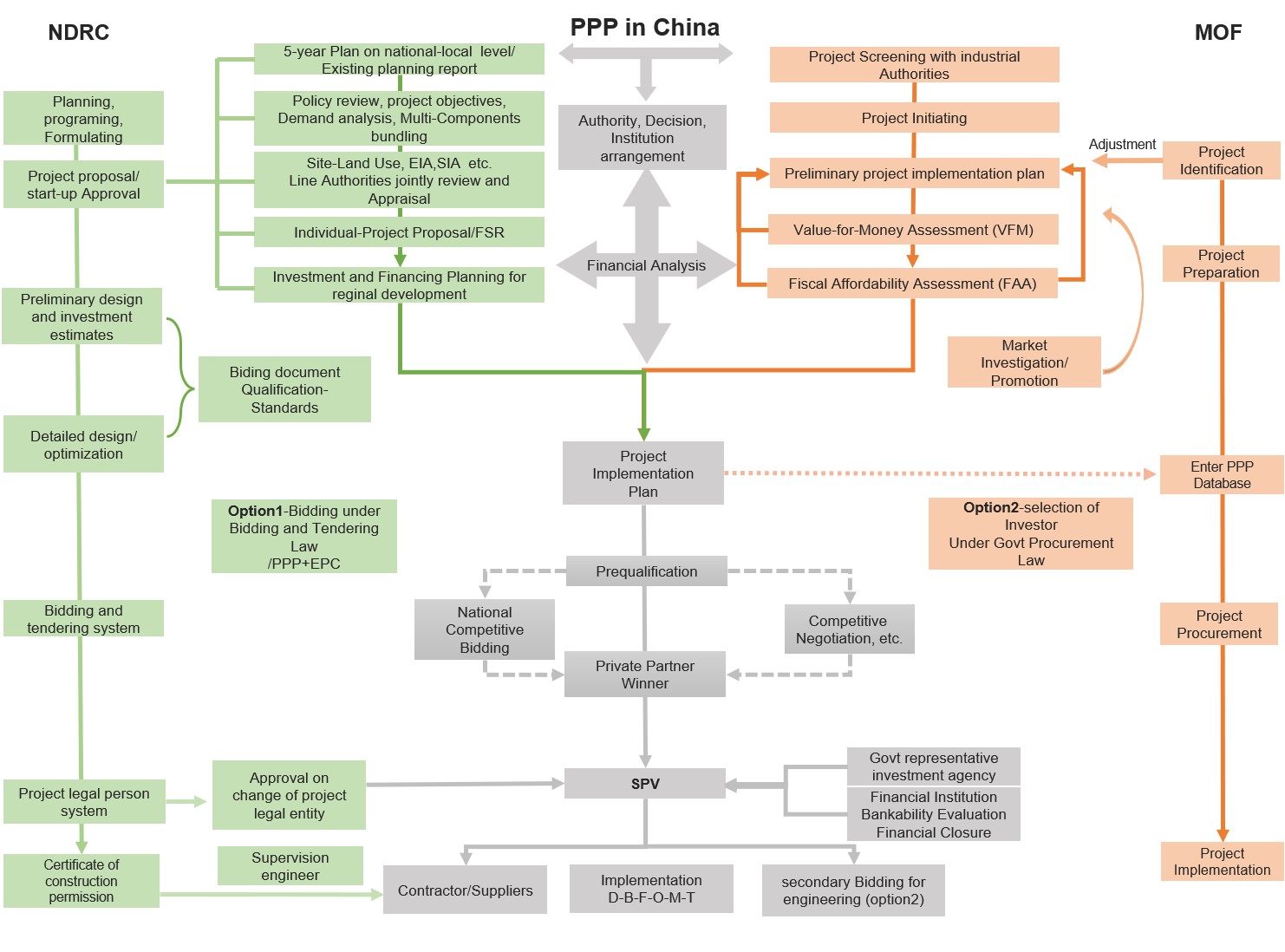
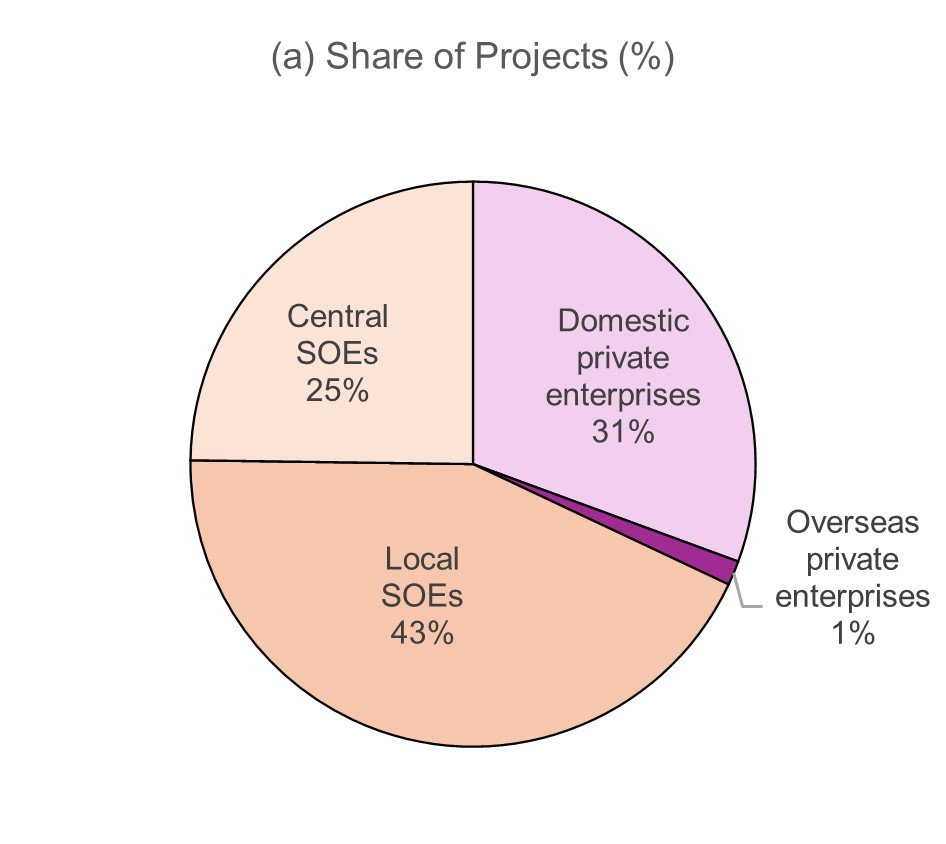
Selected figures from Chapter 2. Select any figure to view it at full size.

Chapter 02

The rise and fall of China’s PPP market

11 figures

Chapter Guide

  1. Chapter 0110 pages Introduction

    This chapter introduces the core concepts of public-private partnerships (PPPs) and reviews their diverse national practices. Drawing on several theoretical perspectives, it explains the development and governance logic of PPPs. This chapter also outlines the distinctive features of this book, including its interdisciplinary analytical framework and its use of an extensive project-level dataset. It concludes by presenting the structure of this book and clarifying how each part contributes to understanding the evolution and governance logic of PPPs in China.

    View chapter at Taylor & Francis
  2. Chapter 0229 pages The Rise and Fall of China's Public-Private Partnership A Ten-Year Review (2014–2023)

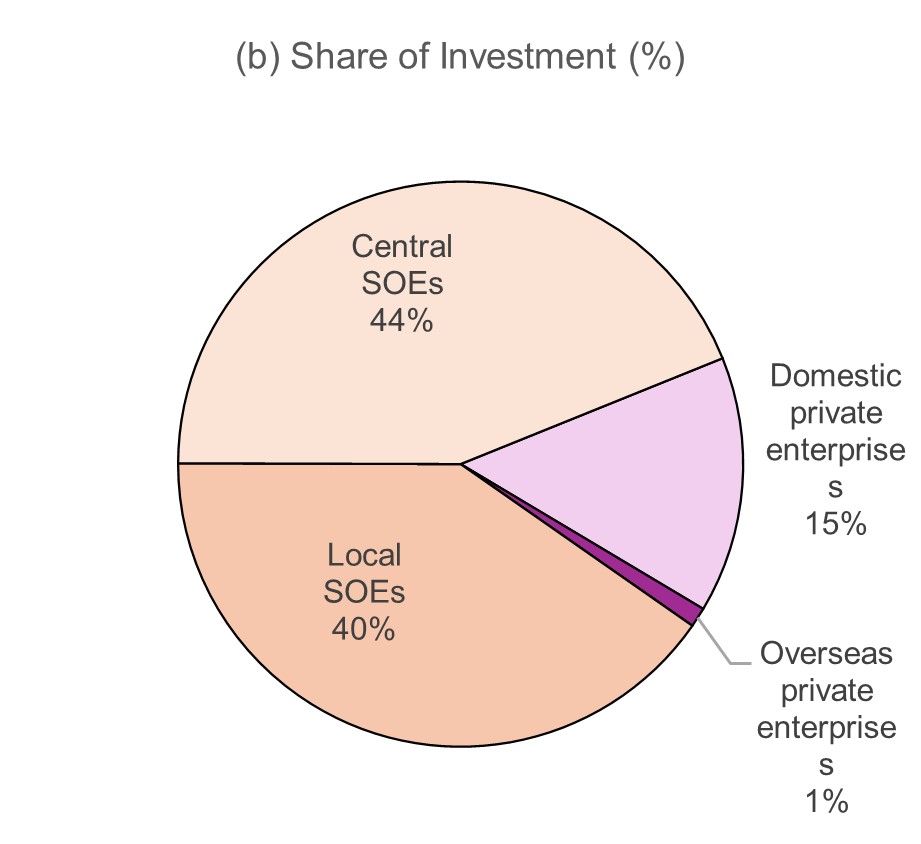
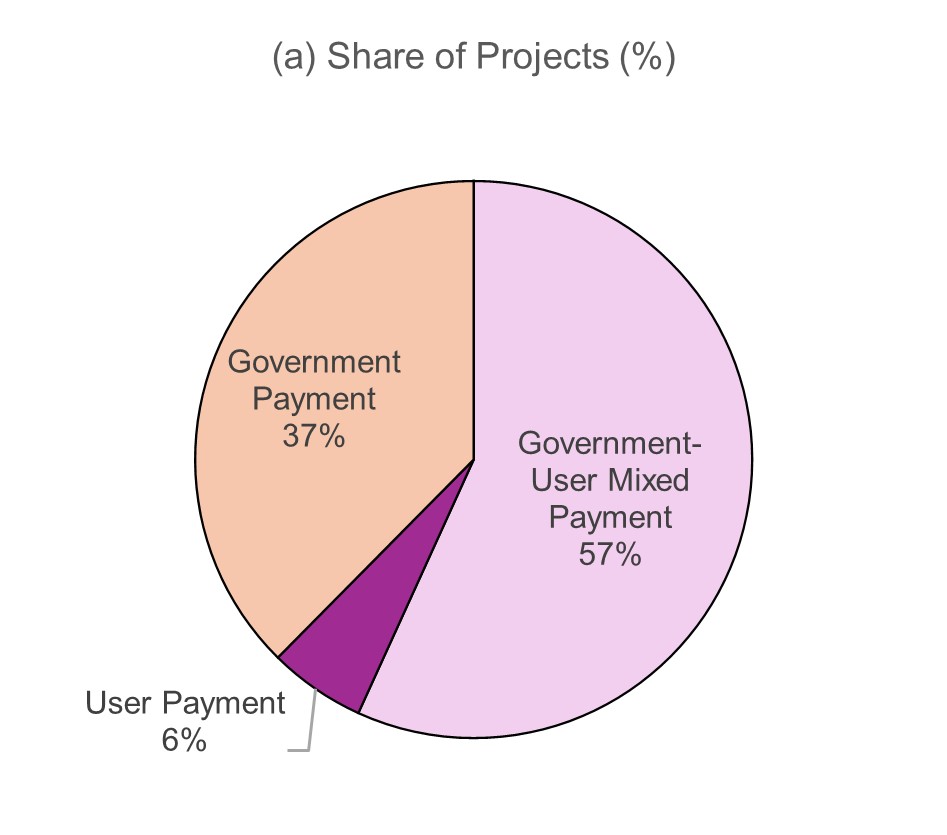
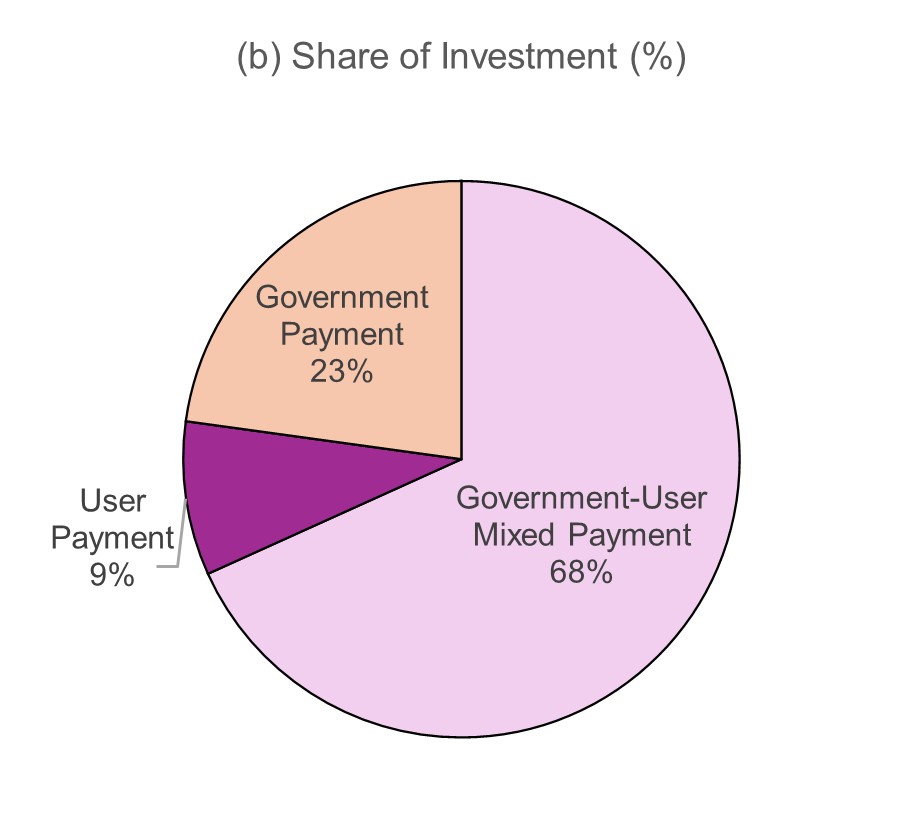
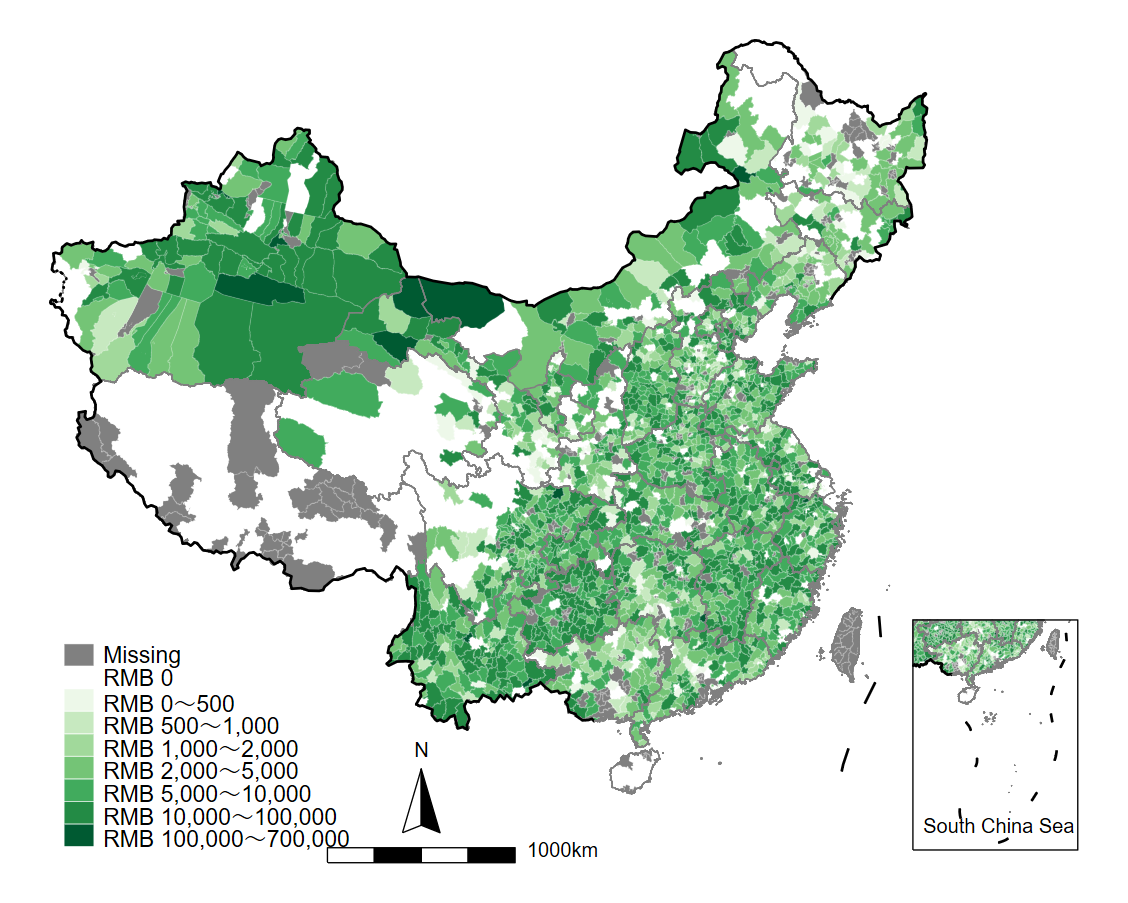
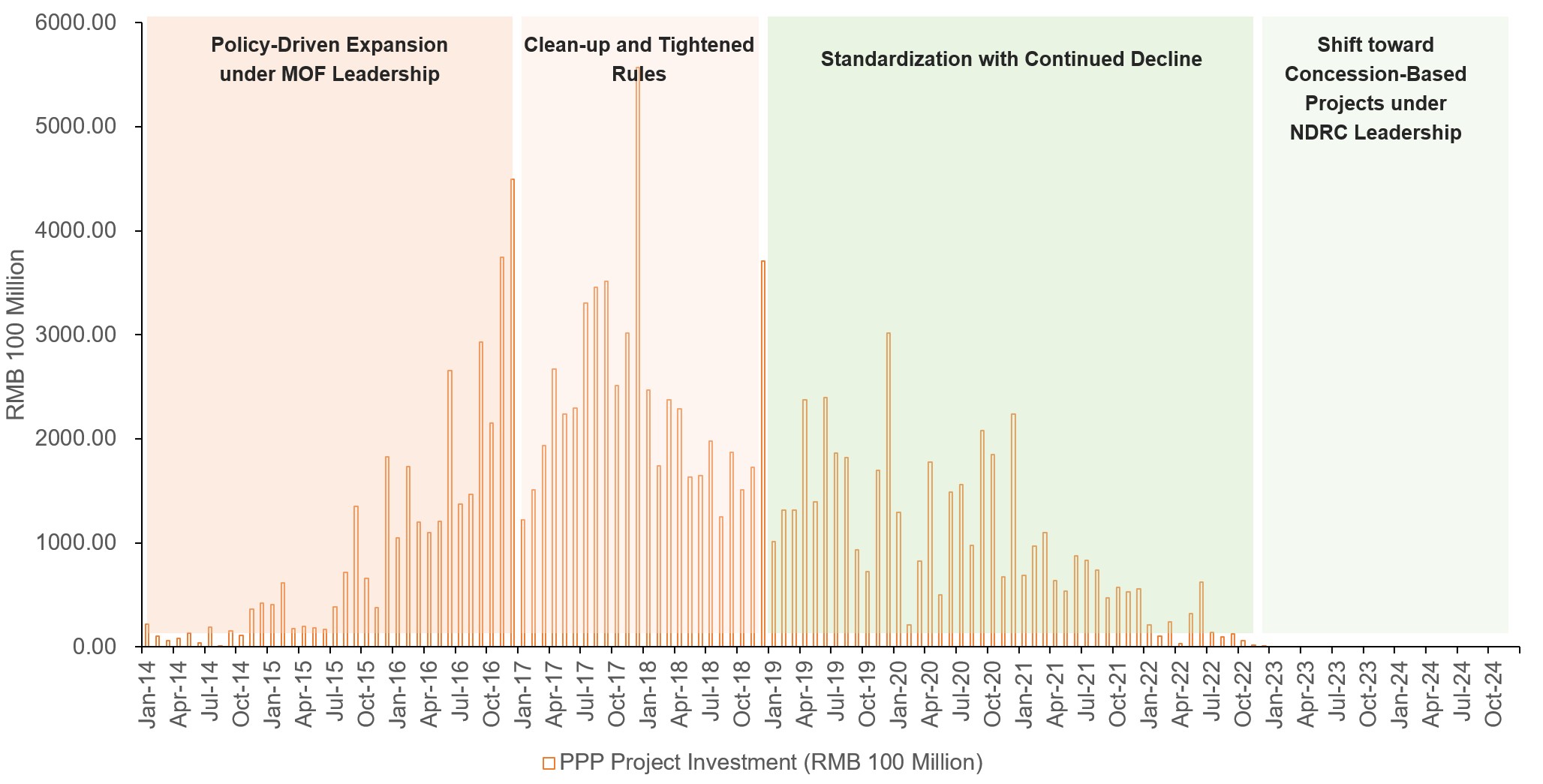
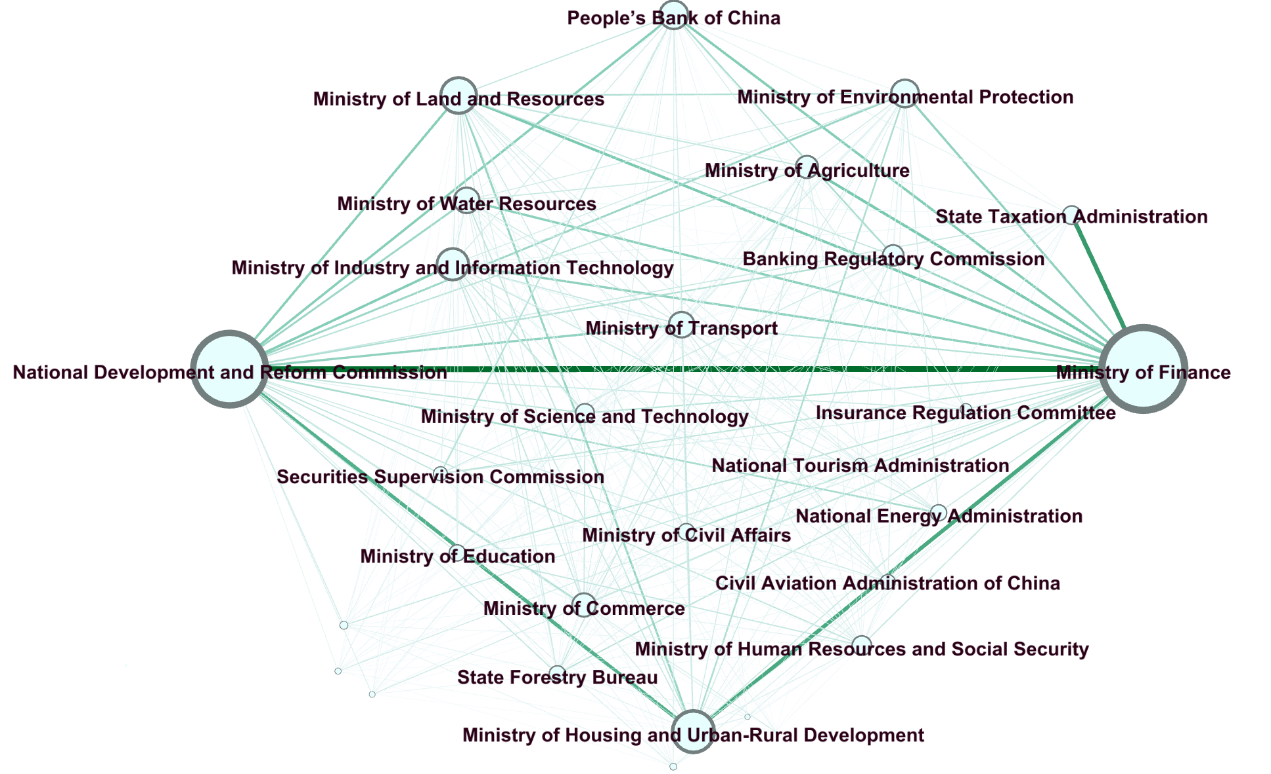
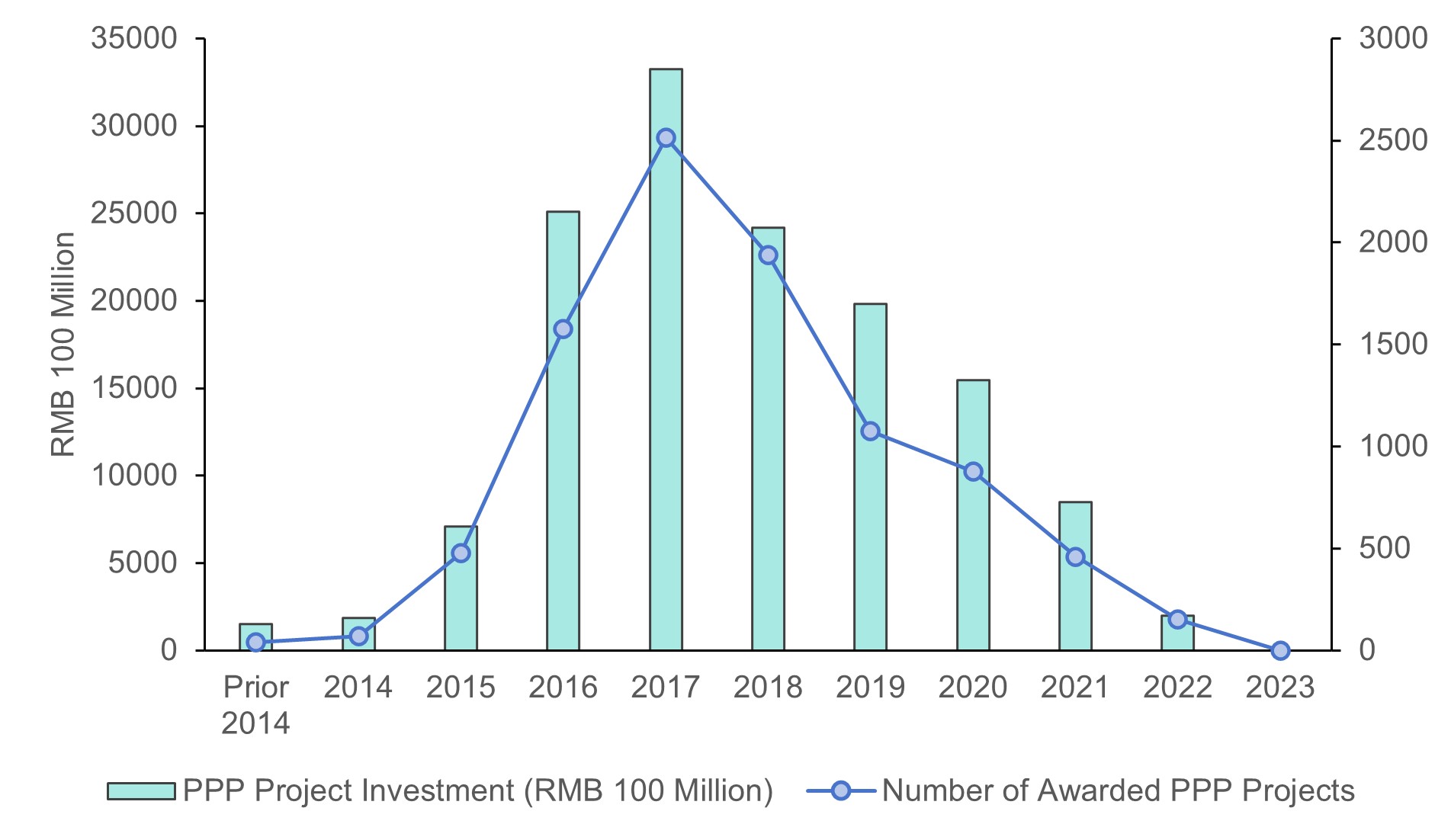
    This chapter examines the institutional environment that has shaped China’s public-private partnership (PPP) reforms over the past decade. It reviews the fiscal budgeting system of local governments, the core elements of the PPP policy framework, and alternative financing instruments, including local government financing vehicles and local government bonds. Drawing on descriptive statistics and visual evidence from 2014 to 2023, this chapter traces the expansion of PPP projects, regional variation in adoption, and changes in implementation models. The analysis highlights both the achievements and the limitations of PPP development in China. PPPs reached an unprecedented scale and scope, contributed to more standardized project management practices, and, to some extent, supported market-oriented reforms and shifts in governance. At the same time, several concerns emerge. These include the dominant role of state-owned enterprises alongside limited participation by private firms, the accumulation of implicit debt risks associated with rapid expansion, the treatment of PPPs primarily as financing instruments rather than governance mechanisms, gaps in the legal framework, persistent policy uncertainty, and ongoing challenges in government contract performance.

    View chapter at Taylor & Francis
  3. Chapter 0325 pages The Predominance of State-Owned Enterprises in Public-Private Partnership Implementation

    This chapter analyzes one of the most distinctive aspects of China’s public-private partnership practice: the dominant position of state-owned enterprises and the limited participation of private and foreign firms. Using transaction cost theory, it establishes a framework that incorporates governmental, market, transactional, and project factors to explain participation outcomes. Drawing on a city-level dataset with detailed partner information, this chapter shows that private firms’ participation increases in regions with stronger government capacity, credible institutions, vibrant private sectors, and closer political or geographic proximity to the national power center.

    View chapter at Taylor & Francis
  4. Chapter 0429 pages The Diffusion Mechanism of Public-Private Partnerships among Subnational Governments

    This chapter examines how public-private partnership (PPP) practices diffuse among subnational governments. Using county-level panel data, geographic information system tools, and spatial autoregressive models, it assesses the influence of political boundaries, functional regions, and transaction costs. The results indicate that PPP investment is positively correlated across neighboring jurisdictions, that diffusion is particularly strong within the same urban agglomeration, and that sectors with lower output-measurement difficulty exhibit stronger diffusion effects. These findings offer valuable insights into barriers to spatial diffusion and strategies to promote the spatial diffusion of innovation.

    View chapter at Taylor & Francis
  5. Chapter 0524 pages Public-Private Partnership as a Financing Instrument for Subnational Governments

    From a public finance perspective, this chapter compares public-private partnership (PPP) financing with traditional debt financing. It categorizes the main financing approaches used since 2014 and analyzes how fiscal shocks affect the choice between the two instruments. Using city-level panel data, it investigates the substitutive and complementary relationships between PPP and debt financing. Drawing on capital structure theory, this chapter explains how institutional incentives shape local financing behavior and contribute to the formation of distinct capital structures in subnational fiscal systems.

    View chapter at Taylor & Francis
  6. Chapter 0627 pages Local Government Financing and the Fiscal Effects on Government Expenditure

    This chapter studies how public-private partnership (PPP) financing influences the spending choices of local governments. Using empirical evidence at the city level and building on cutback management theory, it shows that PPP commitments increase fiscal stress and lead to selective expenditure adjustments. Economic construction spending tends to decline, whereas social welfare spending is relatively protected. This chapter also compares the fiscal effects of PPP and debt financing, highlighting both their common features and their different impacts on the budgetary structure.

    View chapter at Taylor & Francis
  7. Chapter 0721 pages Fiscal Rules and the Control of Public-Private Partnership Expansion

    This chapter examines the effectiveness of China’s fiscal rules aimed at regulating the scale of public-private partnership activity (PPP). Fiscal rules are widely used across countries as a standard policy instrument for promoting fiscal discipline and limiting the accumulation of long-term liabilities. China’s Ministry of Finance introduced a PPP-specific control mechanism in 2015, commonly referred to as the “10 percent red line,” which requires that annual PPP-related fiscal expenditures remain below 10 percent of general public budget expenditure. However, the rule lacks strong legal authority and transparency, raising questions about its actual effectiveness. This chapter evaluates whether the rule is capable of constraining PPP expansion in practice. It also investigates how the effects of this PPP-specific rule differ from those of other fiscal rules, particularly debt rules, and identifies the institutional factors that account for these differences.

    View chapter at Taylor & Francis
  8. Chapter 087 pages Conclusions and Policy Implications

    The final chapter synthesizes the key findings and reflects on the governance logic underlying China’s public-private partnership (PPP) practice. It summarizes the main achievements and limitations observed over the past decade and identifies the institutional features that shape PPP outcomes. Drawing on insights from all chapters, this book concludes with policy lessons on institutional design, risk management, and fiscal discipline. Although institutional contexts and cultural conditions vary across countries and regions, China’s experience with PPPs offers insights of broader relevance and warrants further exploration in future research.

    View chapter at Taylor & Francis